Clear, practical advice on preventing, controlling, managing and treating diarrhoeal diseases. Guidelines from medical authorities on diagnosis, treatment, symptoms, causes and risk factors, tests, training tips, feedback from the field, alternative medicine and much more for patients and health professionals. News on developments in the control, management, treatment and prevention of diarrhoeal diseases.
"The discovery that sodium transport and glucose transport are coupled in the small intestine so that glucose accelerates absorption of solute and water (is) potentially the most important medical advance this century."
5th August, 1978
"We saw this article and I remember saying to Bill, this is unbelieveable, People are still dying of diarrhea, how could that be? Cause by then we had a young daughter. And I knew that this child that I'm holding had diarrhea, I'd go to the pharmacy. I'd go to the doctor.
If I was a mom in the developing world, this child might not make it. And you can feel, I think, as a parent, that capacity of how tragic that would be, and how needless and senseless. Just because the world won't focus on it. Are you kidding me?"
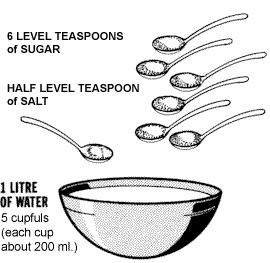
Place 6 level teaspoons of sugar and a half level teaspoon of salt
into one litre of clean drinking water (or boiled water and then cooled) - 1 litre = 5 cupfuls (each cup about 200 ml.)
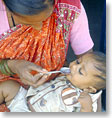
Feed with a spoon
Be very careful to mix the correct amounts, as too much sugar can make the diarrhoea worse, and too much salt can be extremely harmful to the child. If the mixture is made a little too diluted no harm can be done and there is very little loss of effectiveness.
Encourage the child to drink as much as possible.
A child under the age of two needs at least a quarter to a half of a large cup of the ORS drink after each watery stool.
A child aged two or older needs at least a half to a whole large cup of the ORS drink after each watery stool.
Diarrhoea usually stops in three or four days. The real danger is the loss of liquid and nutrients from the child's body, which can cause dehydration and malnutrition.
"We saw this article* and I remember saying to Bill, this is unbelieveable, People are still dying of diarrhea, how could that be? Cause by then we had a young daughter. And I knew that this child that I'm holding had diarrhea, I'd go to the pharmacy. I'd go to the doctor.
If I was a mom in the developing world, this child might not make it. And you can feel, I think, as a parent, that capacity of how tragic that would be, and how needless and senseless. Just because the world won't focus on it. Are you kidding me?"
Melinda Ann Gates DBE, co-founder the Bill & Melinda Gates Foundation
*Article in the New York Times, "For Third World, Water Is Still a Deadly Drink" by Nicholas D. Kristof in January 1997 that changed the course of the Bill and Melinda Gates Foundation.
"But over all, sanitation conditions and water supplies have improved noticeably in the last few decades, and child death rates have fallen sharply. Packets of oral rehydration salts, popularized by Unicef and now widely available in rural areas of the third world, save the lives of countless children with diarrhea; improved water and the rehydration packets may together save the lives of more than a million children a year."
January 9, 1997
Managing diarrhoea among children
Oral rehydration salts (ORS) and oral rehydration therapy (ORT), adopted by UNICEF and WHO in the late 1970s, have been successful in helping manage diarrhoea among children. It is estimated that in the 1990s, more than 1 million deaths related to diarrhoea may have been prevented each year, largely attributable to the promotion and use of these therapies. Today, however, there are indications that in some countries knowledge and use of appropriate home therapies to successfully manage diarrhoea, including ORT, may be declining.
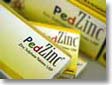
WHO and UNICEF recommend the use of ORS and zinc for the treatment of acute diarrhea. Diarrhea causes dehydration and a loss of nutrients, so it’s important to address both. Oral rehydration solutions (ORS) replenish fluids and electrolytes, and zinc supplements help to restore levels of the micronutrient (and subsequently limit the severity of diarrheal episodes and prevent future ones). Together, they address the immediate dangers posed by diarrheal episodes and help to restore good health.
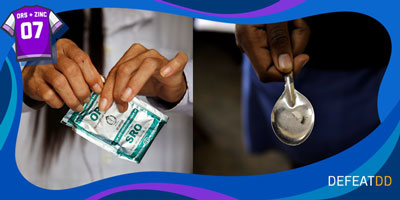
You won’t find it in the sports pages, but the World Health Organization (WHO) just made a game-changing decision in the field of diarrheal disease by adding co-packaged oral rehydration solution (ORS) and zinc to its Model List of Essential Medicines (EML), including the list for children's medicines, too (EMLc).
A landmark decision by the World Health Organization (WHO) to include a new listing for co-packaged oral rehydration salts (ORS) and zinc sulfate in its Model List of Essential Medicines (EML) and Model List of Essential Medicines for Children (EMLc), reinforcing the lifesaving benefits of using ORS and zinc together for pediatric diarrhea management, and achieving alignment with the long-standing recommendation for the use of both therapies as frontline practice. It is estimated that more than 60 percent of childhood diarrheal deaths could be prevented with full coverage of ORS and zinc alongside other community interventions.
Stopping Diarrhoea, Saving Lives
The Stop Diarrhoea Initiative (SDI), a project by Save the Children, India, aimed to showcase the WHO/UNICEF Seven-Point Plan as the most effective strategy to comprehensively prevent and treat childhood diarrhoea. The project contributes to Save the Children’s global ambition to remove diarrhoea as a leading cause of death amongst children.
Sometimes simple ideas are the best ideas. Oral rehydration therapy is a simple idea which has the power to save many lives every day.
Here is what we know:
Over recent decades the number of children dying from diarrheal diseases has fallen dramatically (by two-thirds since 1990) Oral rehydration therapy (ORT) is a large part of the success story. It is estimated that it saved around 70 million lives since its introduction in the late 1970s ORT is a simple, cheap and effective treatment for a major public health problem Still close to half a million children die every year from diarrheal diseases Increasing the coverage of ORT globally has the potential to save many more lives
In recent decades the world has made significant progress in reducing the number of deaths caused by diarrheal diseases. 2.6 million people died from diarrheal diseases back in 1990. Since then, the annual number of deaths from diarrheal diseases fell by around one million.
This progress has been even more substantial when we look at the diarrheal deaths among children: deaths of under-5s have fallen by two-thirds since 1990. >> More here
In recent decades the world has made significant progress in reducing deaths from diarrheal diseases, especially among children: deaths of under-5s have fallen by two-thirds since 1990.
An incredibly successful intervention has been the use of oral rehydration therapy (ORT): a simple salt and sugar solution. In our related post on the topic we look in more detail about what ORT is, how it was developed and estimates of how many lives it has saved across the world.
We focus on the future potential of ORT; what are the barriers to it saving more lives, and how many could it save?
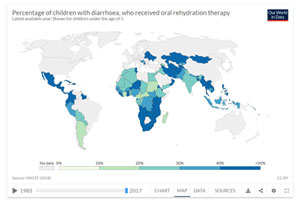
We are not benefiting from the full potential of ORT. The main reason for this is that it is not as widely used as it could be. As the map below shows, the coverage of ORT is still low.
According to data from UNICEF, on average only 44% of children with diarrhea receive ORT. In some countries the coverage is very low, at less than 1-in-5. >> More here
Volume 392, Issue 10147, P536-538, August 18, 2018
50 years ago, the first study showing that an oral solution of glucose and electrolytes was effective for replacing water and electrolyte losses in cholera was published in The Lancet. The 4·6 million annual deaths from diarrhoea in children younger than 5 years estimated in 1980 has fallen to under 500,000 in 2018, despite a 70% increase in the world's population. Although several factors contributed to this reduction, as of 2007 it was estimated that oral rehydration therapy (ORT) alone had prevented 54 million diarrhoeal deaths.
Children with diarrhoea are at risk of dying due to dehydration, and early and appropriate fluid replacement is a main intervention to prevent death. Yet few children with diarrhoea in developing countries receive appropriate treatment with oral rehydration therapy and continued feeding (39 per cent).
Even fewer receive solutions made of oral rehydration salts (ORS) alone (one-third), and the past decade has seen no real progress in improving coverage across developing countries.
Moreover, the poorest children in the poorest countries are least likely to use ORS, and zinc treatment remains largely unavailable in high-mortality countries. The stagnant low ORS coverage over the past decade indicates a widespread failure to deliver one of the most cost-effective and life-saving child survival interventions and underscores the urgent need to refocus attention and funding on diarrhoea control."
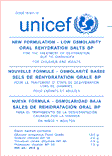
ORS (oral rehydration salts) is a special combination of dry salts that is mixed with safe water. It can help replace the fluids lost due to diarrhoea.
When should ORS be used?
When a child has three or more loose stools in a day, begin to give ORS. In addition, for 10–14 days, give children over 6 months of age 20 milligrams of zinc per day (tablet or syrup); give children under 6 months of age 10 milligrams per day (tablet or syrup).
Where can ORS be obtained?
In most countries, ORS packets are available from health centres, pharmacies, markets and shops.
How is the ORS drink prepared?
Put the contents of the ORS packet in a clean container. Check the packet for directions and add the correct amount of clean water. Too little water could make the diarrhoea worse.
Add water only. Do not add ORS to milk, soup, fruit juice or soft drinks. Do not add sugar.
Stir well, and feed it to the child from a clean cup. Do not use a bottle.
How much ORS drink to give?
Encourage the child to drink as much as possible.
A child under the age of 2 years needs at least 1/4 to 1/2 of a large (250-millilitre) cup of the ORS drink after each watery stool.
A child aged 2 years or older needs at least 1/2 to 1 whole large (250-millilitre) cup of the ORS drink after each watery stool.
What if ORS is not available?
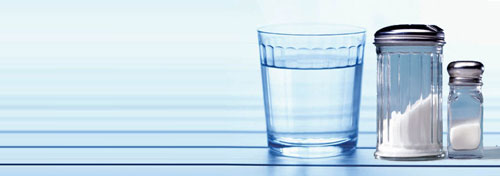
Give the child a drink made with 6 level teaspoons of sugar and 1/2 level teaspoon of salt dissolved in 1 litre of clean water.
Be very careful to mix the correct amounts. Too much sugar can make the diarrhoea worse. Too much salt can be extremely harmful to the child.
Making the mixture a little too diluted (with more than 1 litre of clean water) is not harmful.
Diarrhea is Dangerous Diarrheal disease is a major cause of death and illness. It claims the lives of roughly half a million children under five each year and causes millions more to be hospitalized. Diarrheal disease is particularly dangerous in poor communities and places where safe water, sanitation, and access to basic medical care may be limited or unavailable.
Repeated diarrhea infections are holding children back from reaching their full potential. Children living in poverty are subjected to an onslaught of environmental pathogens every day. These pathogens cause diarrhea and other asymptomatic infections, leading to chronic gut inflammation and putting children at risk of future infections and malnutrition.
We know how to solve the problem. In recent years, millions of children’s lives have been saved. Deaths from diarrhea declined from more than 1 million among children under five years in 1990 to roughly 500,000 in 2015. This is great news, but it means that half a million children still die from diarrhea each year, and countless more are held back because of persistent, repeated infections.
Medical and Health Internet-in-a-Box - South Asia Edition
Collaborating with Wiki Project Med Foundation and HealthPhone, Internet-in-a-Box has developed an offline distribution system for medical and healthcare content geared specifically to South Asia.
The Internet-in-a-Box (IIAB) device is a complete single-board computer with an in-built Wi-Fi hotspot that allows for easy distribution of information in places where access to the Internet is limited, controlled, not affordable or simply unavailable. Within a range of 50 to 100 meters, up to 32 people can connect to the device with a mobile phone or computer to access and download its content, free of any cost. It also functions as a mini app store in that those connected to it can download and install a number of offline apps. IIAB does not offer a connection to the Internet or to content beyond that stored in the Box itself.
The 32 Gb microSD card (included contains: Over 1,000 HealthPhone healthcare & nutrition videos across 22 Indian languages, 47 HealthPhone mobile apps across 18 Indian languages, All of Wikipedia Medical Encyclopaedia in English and Farsi, Full Wikipedia in 23 Indian Languages, The Global Emergency Medicine Wiki, and Children for Health’s 100 Health Messages in 5 Indian languages.
Medical and Health Internet-in-a-Box is available for the costs of the hardware, taxes and shipping (₹1,999. / US$30.).
We recently partnered with Mediaplanet UK on the 2017 Maternal Health campaign in The Guardian newspaper and online. Read motivating insight from thought leaders and learn more about what it takes collectively to reduce maternal mortality. #GlobalMaternalHealth#MaternalHealth
One of the most powerful relationships in global health and development is between a mother’s education and her child’s chances of survival. Simply put: “The more educated a mother, the less likely her child is to die. … Behind every preventable child death is a disempowered mother” says Leith Greenslade, Co-Chair of Child Health, MDG Health Alliance.
HealthPhone™ Mobile Apps
Once installed, all these apps work offline; they do not require a connection to a mobile network. All videos and files are included within the mobile app. Mobile apps developed in partnership with HealthPhone by The Centre for Development of Advanced Computing (C-DAC), Hyderabad, a research and development organization under the Ministry of Electronics and Information Technology, Government of India.
The apps address issues of status of women, the care of pregnant women and children under two, breastfeeding and the importance of a balanced diet, health and simple changes in nutritional care practices that can notably enhance nutrition levels.
They reinforce the following key messages:
Expecting mothers should get the correct diet and 25% more than usual.
Mother’s first milk is the best, do not throw it away, make sure the child gets it.
For the first 6 months the child should only be fed mother’s milk and nothing else.
When the child enters the 7th month, balance mother’s milk with a nutritious diet.
Laying the Foundation for Combating Malnutrition in India The importance of balanced nutrition and health
An initiative of HealthPhone™, conducted under the aegis of Indian Academy of Pediatrics, in partnership with the Ministry of Women and Child Development, UNICEF, Aamir Khan and with support from Vodafone.
It is the World's Largest Programme to Battle Malnutrition amongst Mothers and Children.
The objective of this nationwide campaign against malnutrition is to address issues of status of women, the care of pregnant mothers and children under two, breastfeeding and the importance of balanced nutrition and health. The focus is on women between 13 and 35 years of age and their family members.
The four Poshan videos are hosted on a dedicated WAP page iaphealthphone.org and accessible to all Vodafone India subscribers on their mobile phones.
Vodafone India subscribers can also give a missed call on 1 800 120 8989 (toll-free) to receive a link to the WAP page via SMS.
Subscribe to Breastfeeding & Nutrition Daily free email newsletter. Custom-curated news highlights, resources, tips, thought-provoking opinions, commentary and practical advice on good practices to improve nutrition during the first 1000 days in your inbox daily.
"Diarrhea is the world’s most effective weapon of mass destruction."
Rose George, The Big Necessity: The Unmentionable World of Human Waste and Why it Matters | TED Talk:Let's talk crap. Seriously.
The integrated Global Action Plan for Pneumonia and Diarrhoea (GAPPD)
Stopping the loss of millions of young lives from pneumonia and diarrhoea is a goal within our grasp. The integrated Global Action Plan for the Prevention and Control of Pneumonia and Diarrhoea (GAPPD) proposes a cohesive approach to ending preventable pneumonia and diarrhoea deaths. It brings together critical services and interventions to create healthy environments, promotes practices known to protect children from disease and ensures that every child has access to proven and appropriate preventive and treatment measures. The goal is ambitious but achievable: to end preventable childhood deaths due to pneumonia and diarrhoea by 2025.
Children are more likely than adults to die from diarrhoea because they become dehydrated more quickly. Diarrhoea is also a major cause of child malnutrition.
1.35 million people in developing countries, most of them children, die every year from diarrhoeal diseases associated with lack of access to safe drinking water, inadequate sanitation, poor hygiene and overcrowding. 90% are children under 5, mostly in developing countries. Undernutrition is the underlying cause of a substantial proportion of all child deaths.
Infants who are fed only breastmilk during the first 6 months seldom get diarrhoea. At six months, in addition to breastmilk, complementary foods with increased feeding frequency and changes in food consistency, quantity, and diversity as the child ages. Thousands of deaths could be averted through a combined prevention and treatment strategy — interventions such as improved mother and child nutrition, optimal breastfeeding practices; Oral Rehydration Therapy [ORT]; new low-osmolarity formulations of ORS; incorporating rotavirus vaccines; zinc supplementation during diarrhoea episodes; immunizing all children against measles; appropriate drug therapy; increased access to safe clean water and sanitation facilities and improved personal and domestic hygiene, including keeping food and water clean and washing hands before touching food. Families and communities are working together, with support from governments, states, corporations and non-governmental organizations, to prevent the conditions that cause diarrhoea and thereby rapidly reducing child mortality.
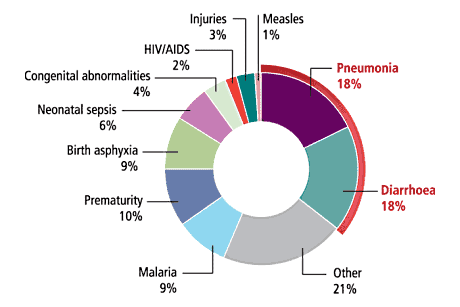
Causes of Child Deaths in Low-Income Countries: Diarrhoea 18%
August 09, 2012 - Despite the fact that people in the world do it every day, most of us probably don't know $h!t when it comes to the real facts about going. Likely, you walk into your bathroom in the morning sit down on a pristine porcelain bowl, do your business, and then flush away all the icky evidence with the easy push of a button or press of a lever. You, however, are the lucky ones. .... more
The Extraordinary Healing Power of Mom
Do you remember how your mom took care of you when you got sick? Moms everywhere want to take care of their kids. Diarrhea can be deadly, but mothers have hope when they have access to simple solutions. Proven, affordable tools should be at-hand for every mom, such as safe water and sanitation, oral rehydration therapy (ORT), zinc, nutrition, breastfeeding, and rotavirus vaccines.
"Even though we have the knowledge and solutions in hand to defeat diarrheal disease, the issue can be a difficult, even taboo subject to discuss. That’s why we need to break the barriers and increase awareness."
Oral rehydration therapy and continued feeding is a life-saving treatment, which only 39 per cent of children with diarrhoea in developing countries receive. Limited data show little progress since 2000.
Zinc tablets are still largely unavailable in most developing countries, although their effectiveness in reducing the severity and duration of diarrhoea episodes is well known.
Immunization against rotavirus, which results in an estimated 40 per cent of hospital admissions due to diarrhoea among children under five, is urgently needed worldwide, especially in Africa and Asia.
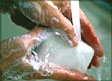
Safe water, adequate sanitation and proper hygiene are too often forgotten foundations of good health. Handwashing with soap alone could potentially reduce the number of diarrhoea cases by over 40 per cent.
Breastfeeding is critical to both the prevention and treatment of diarrhoea. Infants who are exclusively breastfed for the first six months of life and continue to be breastfed until two years of age and beyond develop fewer infections and have less severe illnesses, including diarrhoea.
Vitamin A supplementation has been shown to significantly reduce child deaths, mostly from diarrhoea and measles.
Each year, around 9 million children die from preventable and treatable illnesses before reaching their fifth birthday. Many die during their first year of life. Countless more children live in precarious situations and face diminished futures. The handbook, Facts for Life, provides vital messages and information for mothers, fathers, other family members and caregivers and communities to use in changing behaviours and practices that can save and protect the lives of children and help them grow and develop to their full potential.
This version of Facts for Life builds on the three previous editions, which have been helping families and communities around the world since 1989. Newborn Health has been added to the Safe Motherhood chapter, giving attention to child survival from the first stage of life. A new chapter, Child Protection, has been included, focusing attention on the actions needed to ensure children grow up in protective environments.
Facts for Life is a trusted resource that is written in easy-to-understand language. It has been translated into 215 languages, with over 15 million copies of the previous editions in circulation worldwide. Users are encouraged to be innovative in finding ways to extend the reach of the Facts for Life messages to help families and communities realize the rights of children and women everywhere!
Diarrhoeal disease is one of the greatest killers of children under the age of five. Using zinc supplements to treat diarrhoea, along with oral rehydration salts, not only helps children get better faster, it can even save their lives. Zinc - one of the more abundant elements on earth - has quickly emerged as an exciting new opportunity in the urgent quest to drastically reduce the number of global child deaths by the 2015 target for the Millennium Development Goals. When administered in conjunction with oral rehydration therapy (ORT), zinc has proven itself to be the most powerful tool to help children combat and recover from diarrhoeal disease. More than that, it has demonstrated important preventive power, helping children resist subsequent episodes of diarrhoea for up to three months, thereby reducing the number of episodes a child suffers each year and giving children more time to recuperate. In scientific terms, zinc supplementation in combination with ORT has been shown to reduce diarrhoeal incidence in children by an impressive 27%. Update: Some good news! The Lancet is reporting that diarrhoea deaths have dropped to around 1 million per year. This is promising news and hopefully these numbers will continue to decline as we treat more children who suffer from diarrhoea with zinc and ORS.
The Story of Cholera is an engaging, educational animation in which a young boy helps a health worker save his father and then guides his village in preventing cholera from spreading. By making the invisible cholera germs visible, this simple animated narrative brings to life the teaching points of cholera prevention.
The World Health Organization (WHO) reports an estimated 3–5 million cholera cases annually, resulting in 100,000–120,000 deaths worldwide. Cholera can kill quickly and, if not contained, will spread like wildfire. Yet, it is preventable and readily treatable.
Public education is an effective means to help contain epidemics. But at-risk populations are often poorly informed as to how cholera is spread and how to prevent transmission.
The work of Translators without Borders is of crucial importance for the success of humanitarian projects. Information available in the local language is much more effective than in a foreign language. This is true for engineering and construction projects (such as digging water wells), and agricultural projects (such as how to irrigate the land). But it is particularly important in healthcare. In many areas in the world people do not only die from diseases, but also from the fact that they do not have basic information about how to stay healthy and what to do to prevent disease.
If you are a translator and you are willing to donate your time and professional skills to Translators without Borders, you will directly support humanitarian projects. To join TWB, we ask you to fill in the translator application form.
Defeat Diarrhoeal Diseases
Despite substantial gains with effective interventions in the 1980s and 1990s, severe dehydration due to diarrhea continues to threaten too many children’s lives, particularly in the developing world. Simple, available, and proven tools promise dramatic reductions in diarrhea-related illness and deaths worldwide. In addition to established interventions that include oral rehydration therapy, exclusive breastfeeding, and improved hygiene, new tools like zinc and vaccines bring new opportunities to re-invigorate interest and catalyze investments in diarrheal disease control. [more]
Diarrhea kills more young children around the world than malaria, AIDS and TB combined. Yet a simple and inexpensive treatment can prevent many of those deaths. Why isn't it more widely used?
A Simple Solution In the West, it's an inconvenience, but, in the developing world, it can be a death sentence. It kills millions of children every year, yet the treatment is a simple mixture of salt, sugar and water. So why isn't more being done to fight diarrhea?
Surviving Diarrhea Most deaths from diarrhea can be prevented by giving the victim oral rehydration. A guide to how it works
Authors: Gerlin, Andrea, Number of pages: 8, Publication date: 2006, Languages: English Overview
In this article, published in Time Magazine in October 2006, the author Andrea Gerlin, investigates the reasons why diarrhoea still kills 1.9 million children every year, and why Oral Rehydration Solution is not more widely used throughout the world.
Prevent and Treat | Treatment Plans Dehydration caused by diarrhoea is one of the biggest single killers of children in the modern world and diarrhoea itself is one of the major causes
of nutritional loss and poor growth. [more]
"The discovery that sodium transport and glucose transport are coupled in the small intestine so that
glucose accelerates absorption of solute and water (is) potentially
the most important medical advance this century." The Lancet - British Scientific Journal - 5th August, 1978 [more]
Home Made | Packaged Most often, diarrhoea kills a child by dehydration, which means that too much liquid has been drained out of the child's body. To replace the liquid being lost it is essential to give the child extra drinks as soon as diarrhoea starts. Oral Rehydration Therapy (ORT) is the cheap, simple and effective way to treat dehydration caused by diarrhoea. [more]
Facts | Frequently Asked Questions | HIV During the first 6 months of life, infants should be exclusively breastfed. This means that the healthy baby should receive breastmilk and no other fluids, such as water, teas, juice, cereal drinks, animal milk or formula.
Exclusively breastfed babies are much less likely to get diarrhoea or to die from it than are babies who are not breastfed or are partially breastfed. [more]
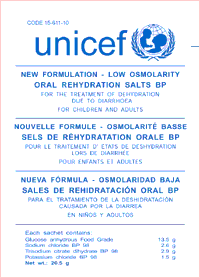
Q & A | Technical FAQs Oral Rehydration Salts (ORS) has been the cornerstone of diarrheal disease control since 1970s. Recently, the ORS formulation was revised by reducing the sodium and glucose content. This new, low-osmolarity ORS, improves the efficacy of ORS, reduces the need for unscheduled intravenous infusions, lowers stool volume, and causes less vomiting compared with standard ORS. [more]
ORS and Zinc: Treatment of diarrhoea is now more effective
Recent studies suggest that a 10- to 14-day therapy of zinc treatment can considerably reduce the duration and severity of diarrhoeal episodes, decrease stool output, and lessen the need for hospitalization. Zinc may also prevent future diarrhoea episodes for up to three months. [more]
Key Facts
| Promise and Potential Worldwide, almost every child will have at least one rotavirus infection before he or she is five years old. The virus is so contagious and resilient that providing clean water and promoting proper hygiene do not significantly reduce incidence, which is nearly the same in industrialized and developing countries. Additionally, because rotavirus usually causes profuse vomiting, ORS/ORT is difficult to administer. [more]
Providing clean water for drinking and food preparation, teaching children and adults to wash their
hands properly are some of the most important things governments and families can do to protect health. These proven interventions have already
made a world of difference for millions and millions of people. [more]
Why is Breastfeeding So Important?
Breastfeeding provides the perfect nutrition for your baby and provides many health benefits for both mother and baby.
Initiating breast feeding within the first hour and exclusive breastfeeding can prevent under two mortality. Breastfeeding: Exclusive breastfeeding Colostrum - Gift of a protective cover from the mother We believe all mothers know how to feed their child. But do they? Myths and facts about breast milk Complimentary feeding Role of media in promoting proper young child feeding: Media should focus on and promote measures that are required to be taken urgently to ensure the survival of children Download .pdf 17.5 mb.
HETV works within the existing health framework of developing countries to establish and promote health educational programs that will provide rapid and long-term capacity-building to improve health and quality of life, and will give mothers and communities more control over their health status. Partnered with national and state governments, we work to assist in educating mothers and children, teachers and students, doctors and village health workers, and a variety of community leaders, in the targeted areas of health, water, hygiene, and sanitation. [more]
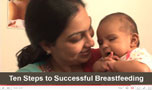
Video | 10 Steps to Successful Breastfeeding | Scientific Overview | Recommendations & Vision | Reviews UNICEF, WHO and WABA along with the scientific community strongly recommend initiating breastfeeding within half an hour of birth. Evidence shows that early initiation can prevent 22% of all deaths among babies below one month in developing countries. Every newborn, when placed on the mother’s abdomen, has ability to find its mother’s breast all on its own and to decide when to take the first breastfeed. This is known as the ‘Breast Crawl’. [more]
The fight against persistent underweight, stunting and wasting among children in developing countries is based on appropriate maternal, infant and young child feeding practices including micronutrient deficiencies prevention and control. However, wasted children are those at immediate risk of dying and will need timely detection and correct management for their survival.
More than half of all child deaths are associated with malnutrition, which weakens the body's resistance to illness. Poor diet, frequent illness, and inadequate or inattentive care of young children can lead to malnutrition. Of the 6.6 million deaths among children aged 28 days to five years: 1.7 million (26%) are caused by diarrhoea. 1 million (61%) of these deaths are due to the presence of undernutrition.
What is needed: Enough food and the right kinds of food, Nutritional needs of girls and women, Nutritional needs of young children, Protecting children from infections, Quality care when children fall ill, prevention of Micronutrient deficiencies. [more]
UNICEF/WHO Report - 4 October, 2009 - Download pdf 3 Mb
Diarrhoea is the second leading cause of death among children under five globally. Nearly one in five child deaths – about 1.5 million each year – is due to diarrhoea. It kills more young children than AIDS, malaria and measles combined. Today, only 39 per cent of children with diarrhoea in developing countries receive the recommended treatment, and limited trend data suggest that there has been little progress since 2000.
The objective of this WHO/UNICEF report is to focus attention on the prevention and management of diarrhoeal diseases as central to improving child survival. It examines the latest available information on the burden and distribution of childhood diarrhoea. It also analyses how well countries are doing in making available key interventions proven to reduce its toll. Most importantly, it lays out a new strategy for diarrhoea control, one that is based on interventions drawn from different sectors that have demonstrated potential to save children's lives. It sets out a 7-point plan that includes a treatment package to reduce childhood diarrhoea deaths, as well as a prevention package to make a lasting reduction in the diarrhoea burden in the medium to long term. [more]
Babies who are breastfed are generally healthier and achieve optimal growth and development compared to those who are fed formula milk. If the vast majority of babies were exclusively fed breastmilk in their first six months of life – meaning only breastmilk and no other liquids or solids, not even water – it is estimated that the lives of at least 1.2 million children would be saved every year. If children continue to be breastfed up to two years and beyond, the health and development of millions of children would be greatly improved. [more]
The scientific rationale for ORT, and for continued feeding during diarrhoea, has been established beyond doubt. The challenge now is to place that knowledge in the hands of parents so that they themselves can protect their children against the dehydration and malnutrition caused by childhood's most common disease.
A Simple Solution A Programme to curb the effects of diarrhoea / diarrhea in infants and young children 198 slides
Facts for Life
The handbook, Facts for Life, provides vital messages and information for mothers, fathers, other family members and caregivers and communities to use in changing behaviours and practices that can save and protect the lives of children and help them grow and develop to their full potential.
Frequently Asked Questions Some of the more commonly asked questions about Diarrhoea, Dehydration, Oral Rehydration Salts - Home Prepared and Packets, and Oral Rehydration Therapy.
All information on Rehydration Project's web site is for educational purposes only. For specific medical advice, diagnoses, and treatment, kindly consult your doctor.
 Inside Bill's Brain: Decoding Bill Gates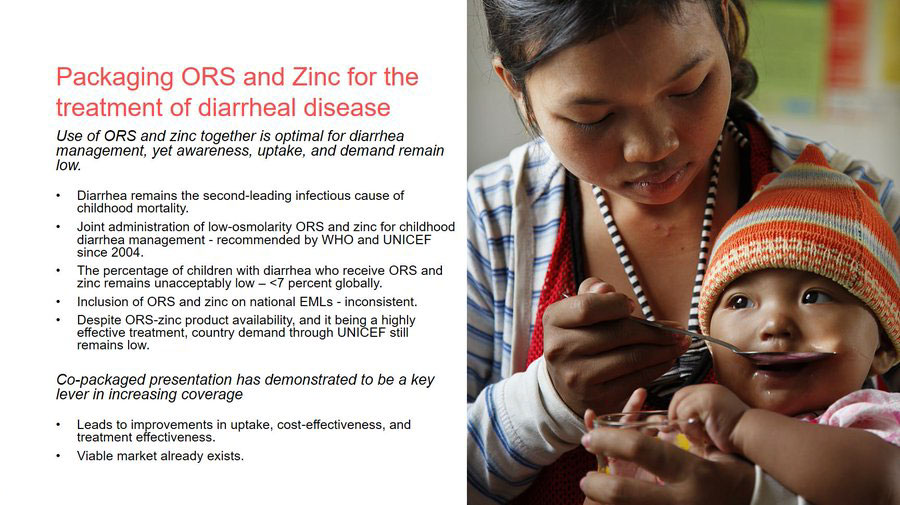
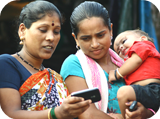
 Mobile Apps
 Click Here to Add your Company as a Resource or Update your Company information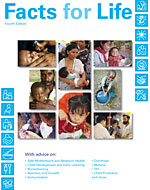
 Timing Births
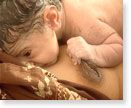
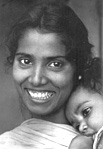

 The scientific rationale for ORT, and for continued feeding during diarrhoea, has been established beyond doubt. The challenge now is to place that knowledge in the hands of parents so that they themselves can protect their children against the dehydration and malnutrition caused by childhood's most common disease.

























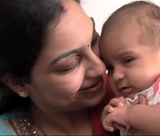

 You won’t find it in the sports pages, but the World Health Organization (WHO) just made a game-changing decision in the field of diarrheal disease by adding co-packaged oral rehydration solution (ORS) and zinc to its Model List of Essential Medicines (EML), including the list for children's medicines, too (EMLc).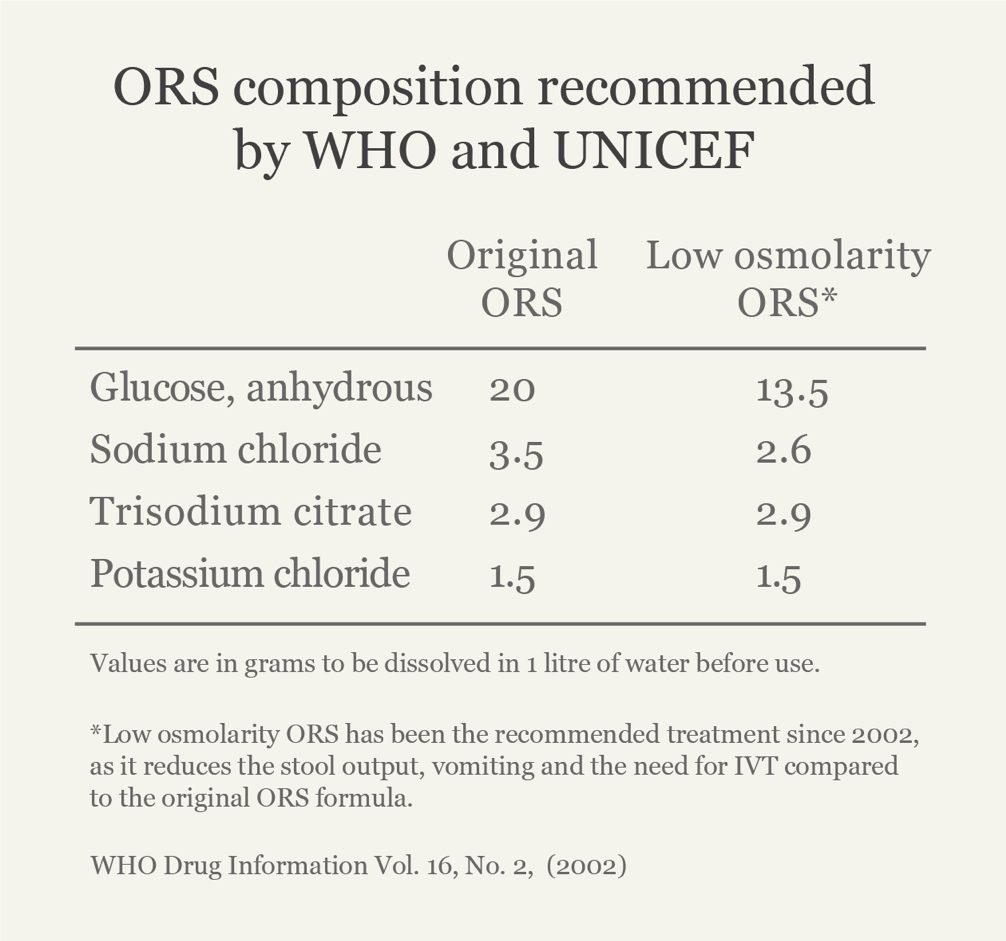
 Children with diarrhoea are at risk of dying due to dehydration, and early and appropriate fluid replacement is a main intervention to prevent death. Yet few children with diarrhoea in developing countries receive appropriate treatment with oral rehydration therapy and continued feeding (39 per cent).











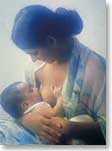

 Breastfeeding provides the perfect nutrition for your baby and provides many health benefits for both mother and baby.
 Download .pdf