Diarrhoea, Diarrhea, Dehydration and Oral Rehydration - Rehydration Project home


Diarrhoea Kills a Child Every 14 Seconds


rss feed


new news on diarrhoea, dehydration and oral rehydration

what is diarrhoea and how to prevent it

why is dehydration dangerous

why is rehydration so important and how rehydration works to save childrens lives

the most effective and least expensive oral rehydration solutions

nutrition: for mother and child

breastfeed: breast milk is best

ors: new low-osmolarity oral rehydration salts

rotavirus: disease and new vaccines

zinc: considerably reduces the duration and severity of diarrhoeal episodes

hygiene: hygiene, hand-washing and clean water

water: collection, harvesting, disinfection, storage

resources: instructive approaches to health and development

facts about diarrhoea, dehydration and rehydration

frequently asked questions about diarrhoea, Dehydration and Rehydration

links related to diarrhoea, dehydration, rehydration and good health

information for health professionals

get to know us and our work for children

support us: what you can do

contact us for comments, suggestions and partnerships

use our site map


text only


Health Education To Villages

Mother and Child Nutrition & Malnutrition

Breast Crawl

    Home  >  Breastfeeding > Breastfeeding and HIV


Breastfeeding - What's New
Breastfeeding Resources
Facts for Feeding
Frequently Asked Questions
Complementary Breastfeeding
Breastfeeding and HIV

Breastfeeding and HIV
Reducing Mother-to-Child Transmission
Replacement Feeding

Breastfeeding and HIV

The following Breastfeeding and HIV publications are from LINKAGES Project. Click here for a complete list of their publications.
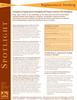
Spotlight on PMTCT: Reducing Mother-to-Child Transmission of HIV among Women who Breastfeed Spotlight on PMTCT: Reducing Mother-to-Child Transmission of HIV among Women who Breastfeed
The purpose of this issue of Spotlight is to provide decision makers, program managers, and health workers with guidance on how to support HIV-positive mothers who choose to breastfeed so that they can minimize the risk of transmission and protect their own health and the health of their infant. For many HIV-positive mothers in resource-limited settings, breastfeeding is the only or the safest infant feeding strategy available.

Languages Available: English (04/2004), French (06/2004)
Download pdfkindly select language of pdf file to download: English, French | 4 Pages - Size: 88.22 KB
Alternate on-site download
Reducing Mother-to-Child Transmission of HIV among Women who BreastfeedEnglish
 
Spotlight on Replacement Feeding: Transition to Replacement Feeding by HIV-Positive Women Who Breastfeed Spotlight on Replacement Feeding: Transition to Replacement Feeding by HIV-Positive Women Who Breastfeed
Many gaps remain in our knowledge of the risks associated with various infant feeding strategies under different conditions. This guidance, based on the best information currently available, is for HIV-positive women who choose to transition from breastfeeding to replacement feeding at about 6 months.

Languages Available: English (04/2004), French (06/2004)
Download pdfkindly select language of pdf file to download: English, French | 2 Pages - Size: 66.83 KB
Alternate on-site download
Transition to Replacement Feeding by HIV-Positive Women Who BreastfeedEnglish


 Quick feedback      Has this information been useful?

Thank you 

 Yes

  No

 |   Keep me informed

  Name 

  email